





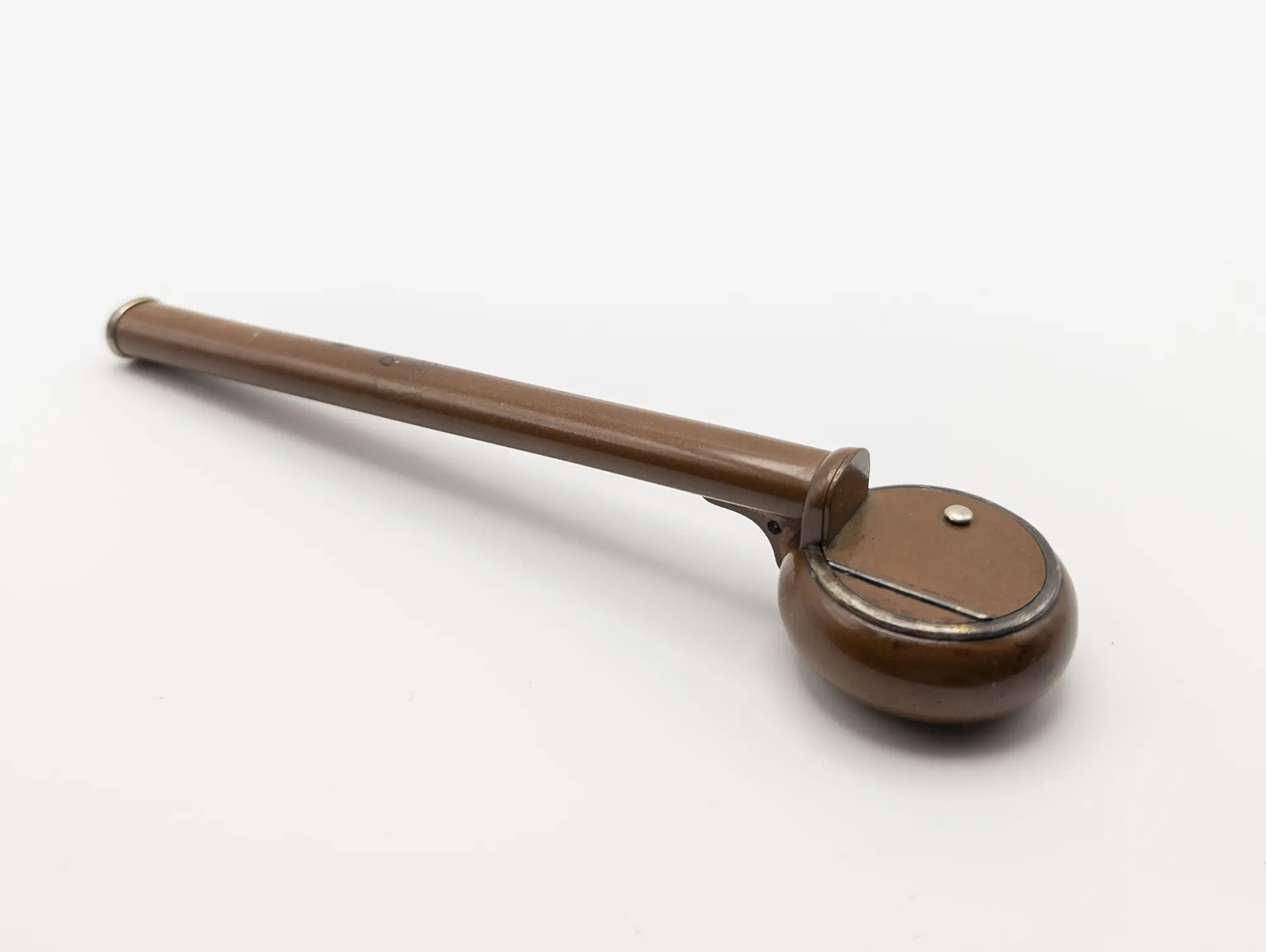

Metal Art
Japanese metal arts are a cluster of highly specialized fields tied together by discipline, surface control and meticulous attention to details.
Metalworking initially develops around armor, ritual objects and swords. By the Kamakura and Muromachi periods, metallurgy is already extremely advanced, but it’s still functional first. The real shift happens in the Edo period, when long peace turns metalworkers into artists.
Sword fittings like tsuba, fuchi, kashira, menuki, kozuka are the intellectual core of Japanese metal art. They’re small, intimate objects made with materials such as Iron, shakudō, shibuichi, copper, silver and gold. Techniques like inlay, relief carving, nunome-zōgan and high-relief are used to create refined items.
Bronze casting is used mostly for ritual and architectural use. Temple bells, lanterns, incense burners. The tradition is conservative and tied to Buddhism and court culture. Surfaces are subdued, forms are heavy, and decoration is symbolic rather than flashy.
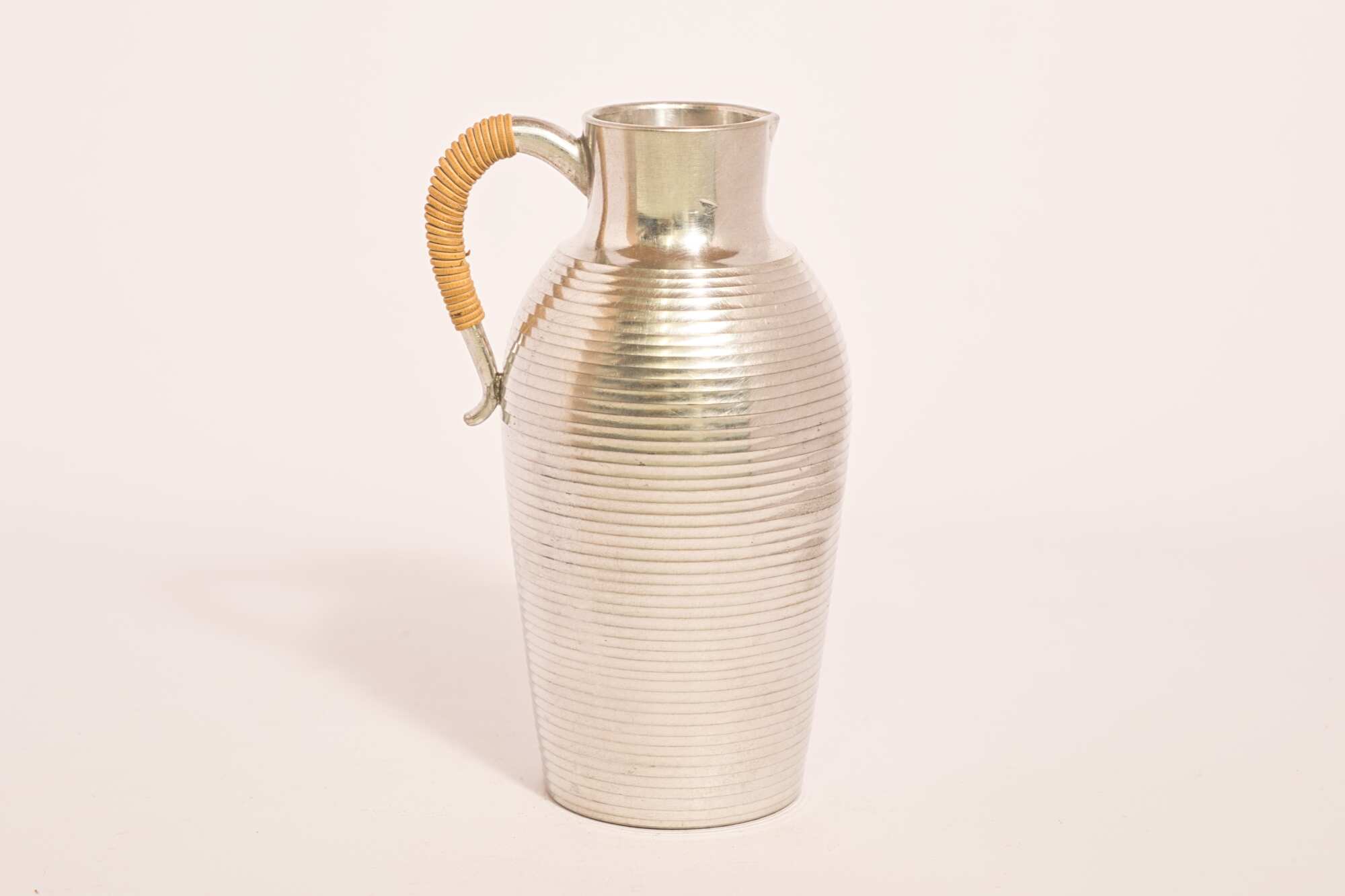
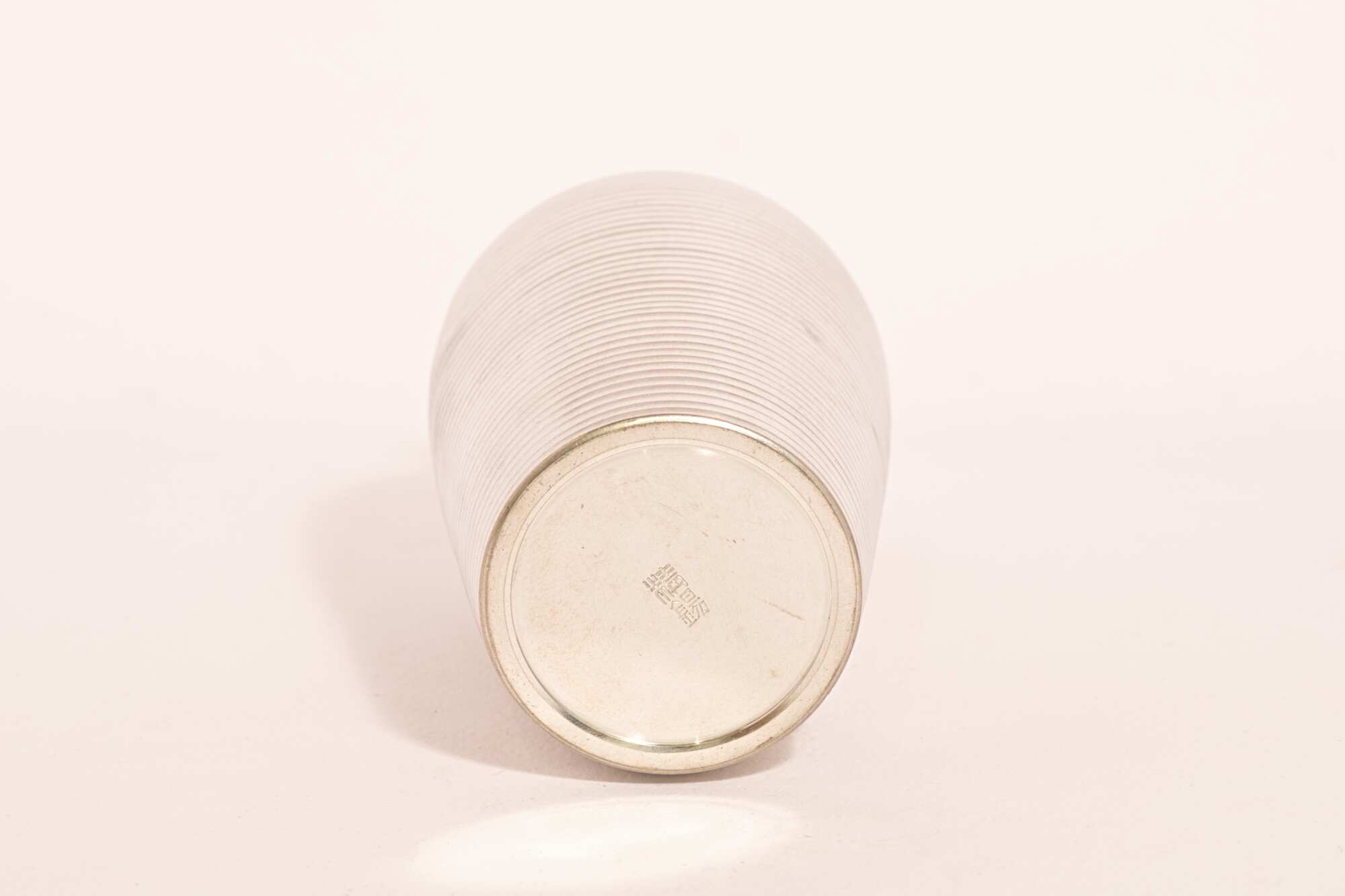
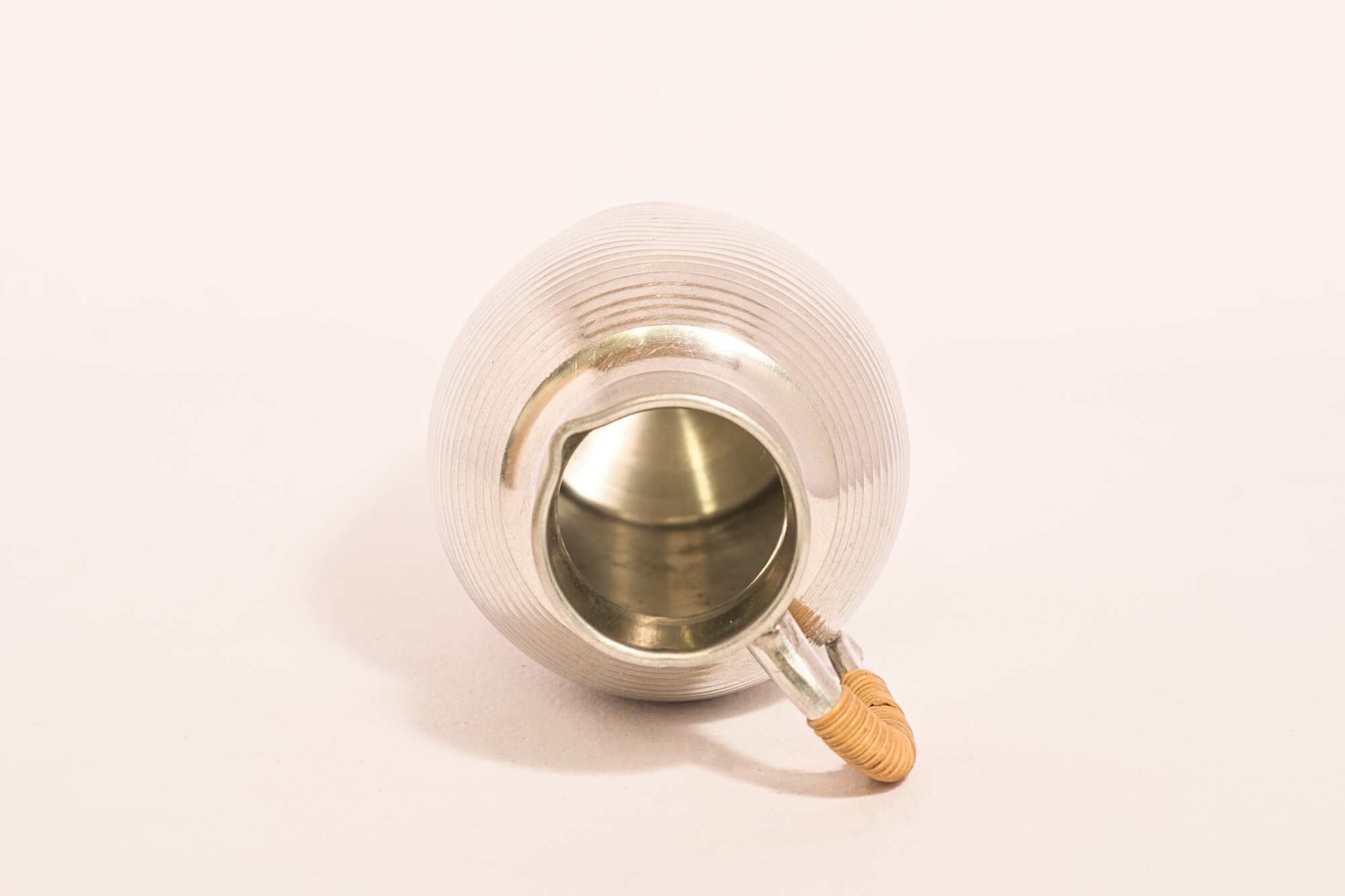
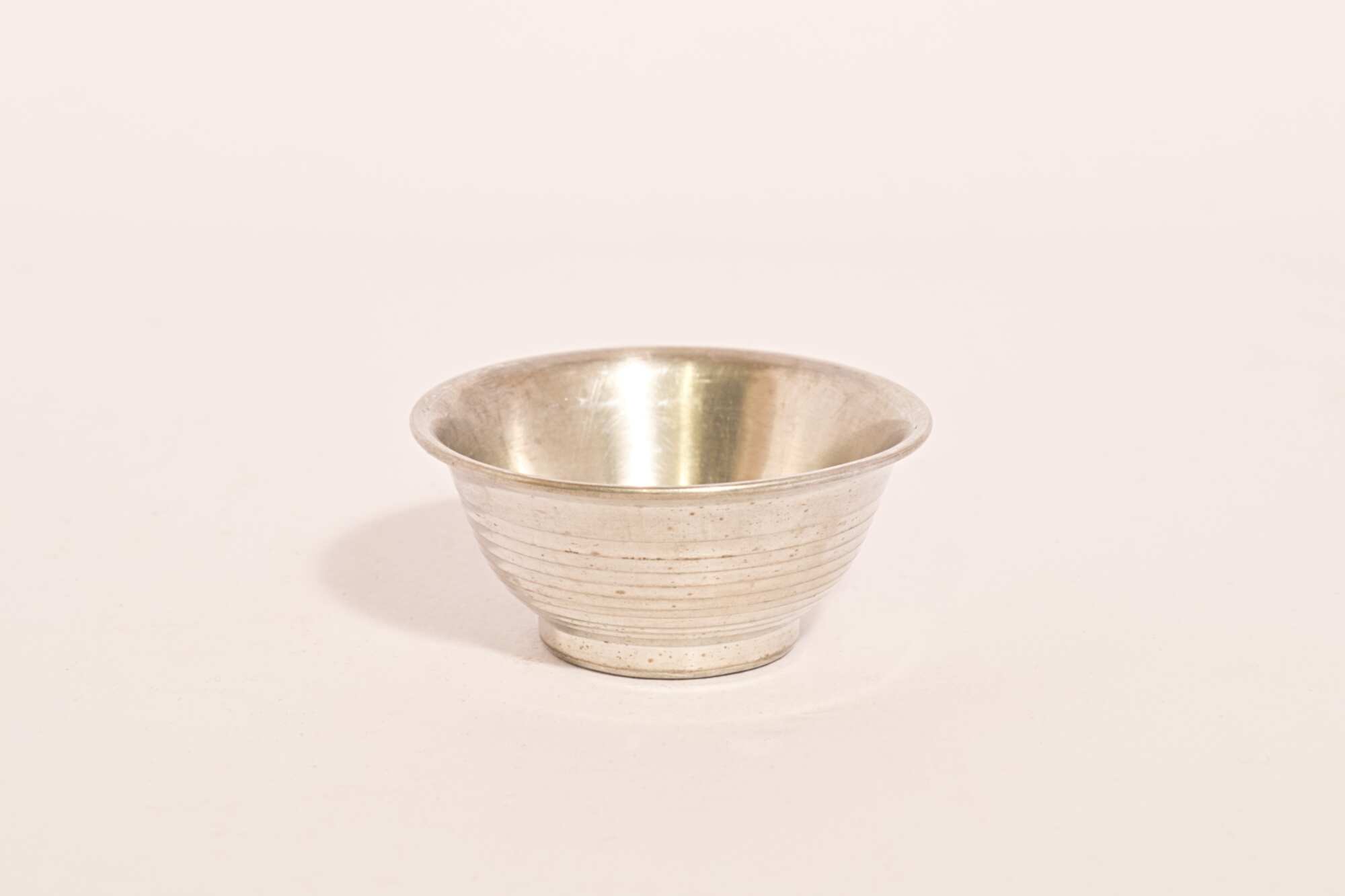
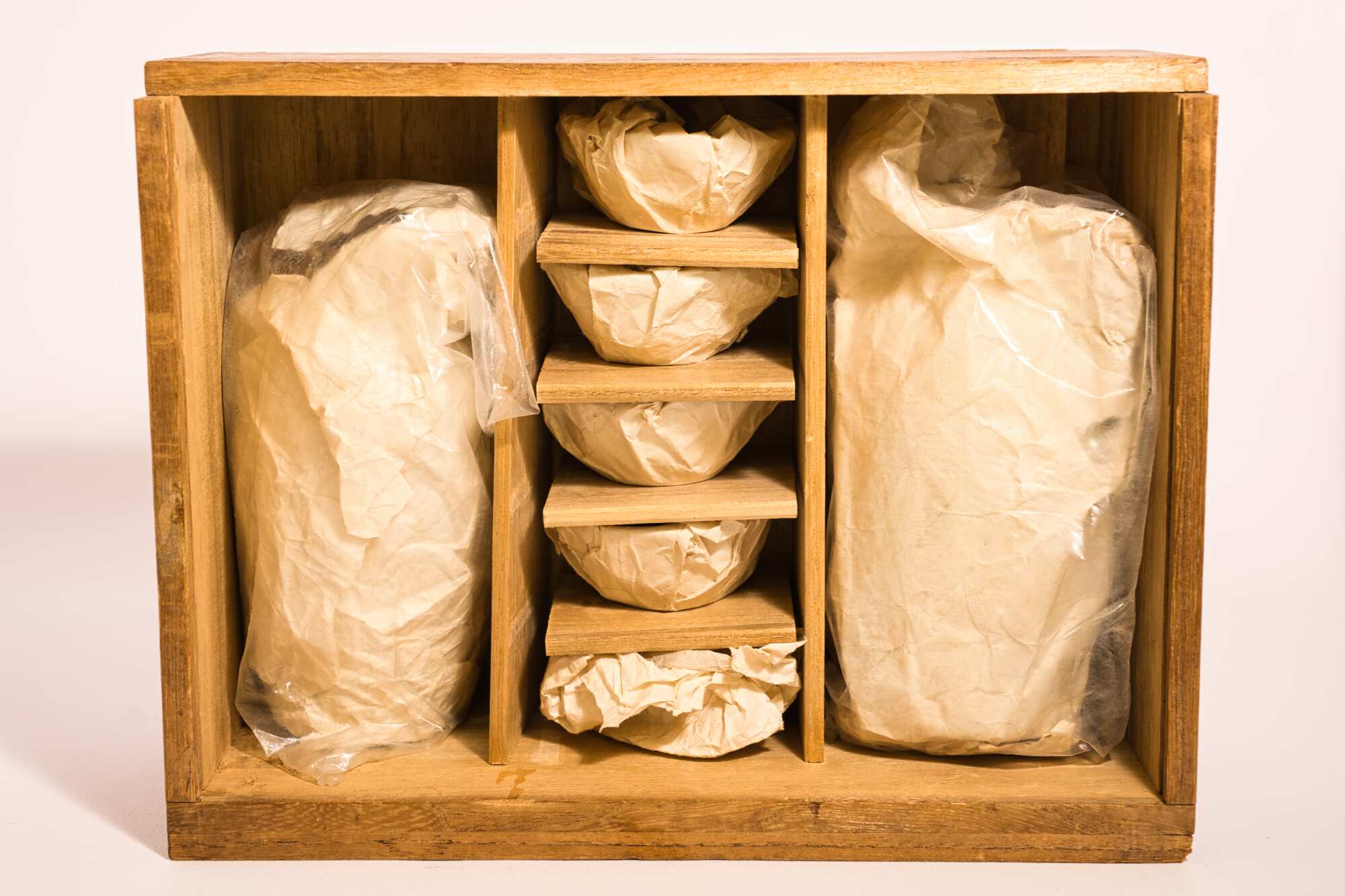
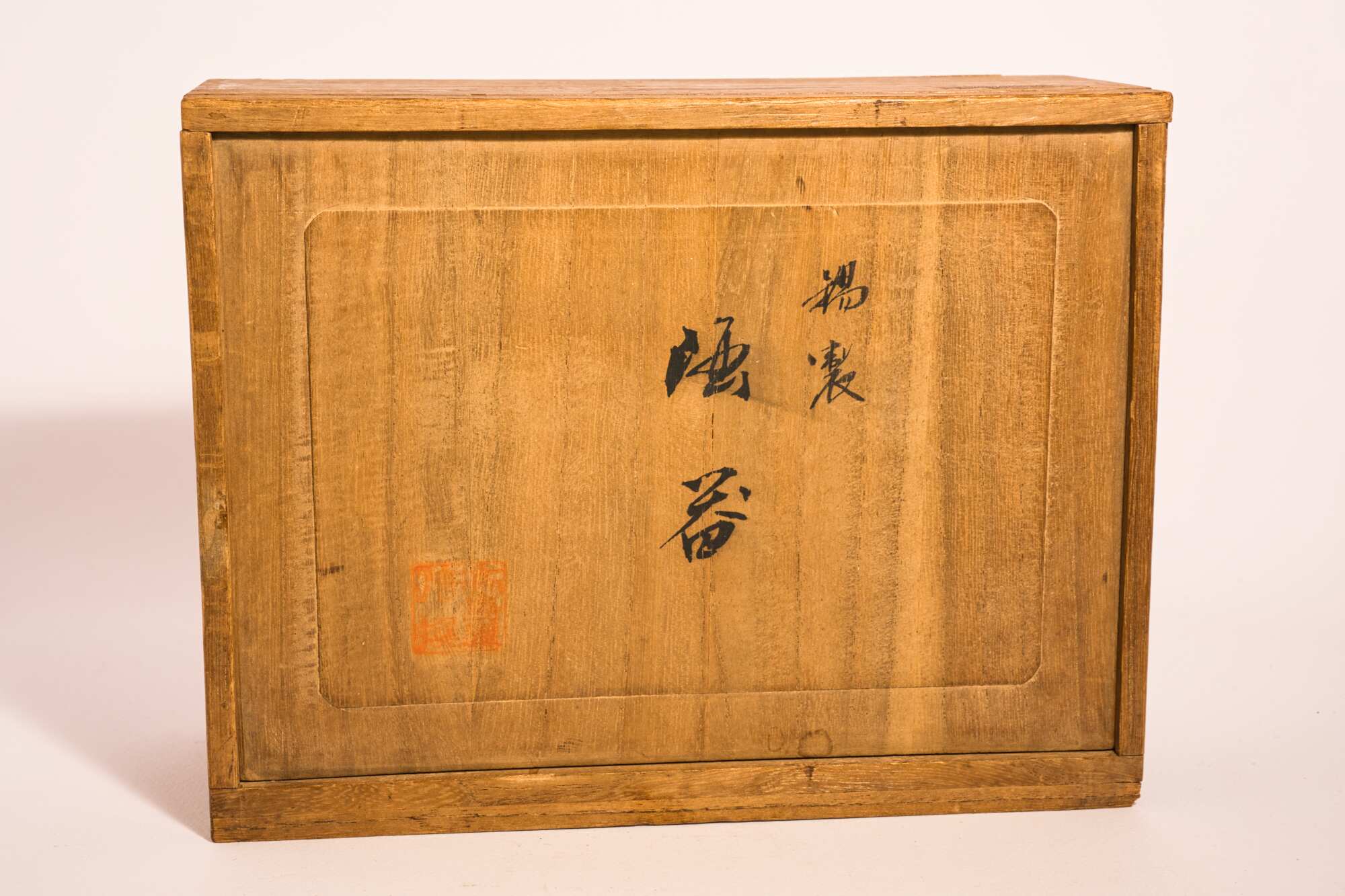
Metal for the tea world gives birth to iron kettles (tetsubin and chagama), flower vases and water jars. Here imperfection is cultivated, with rust textures, uneven walls and restrained forms.
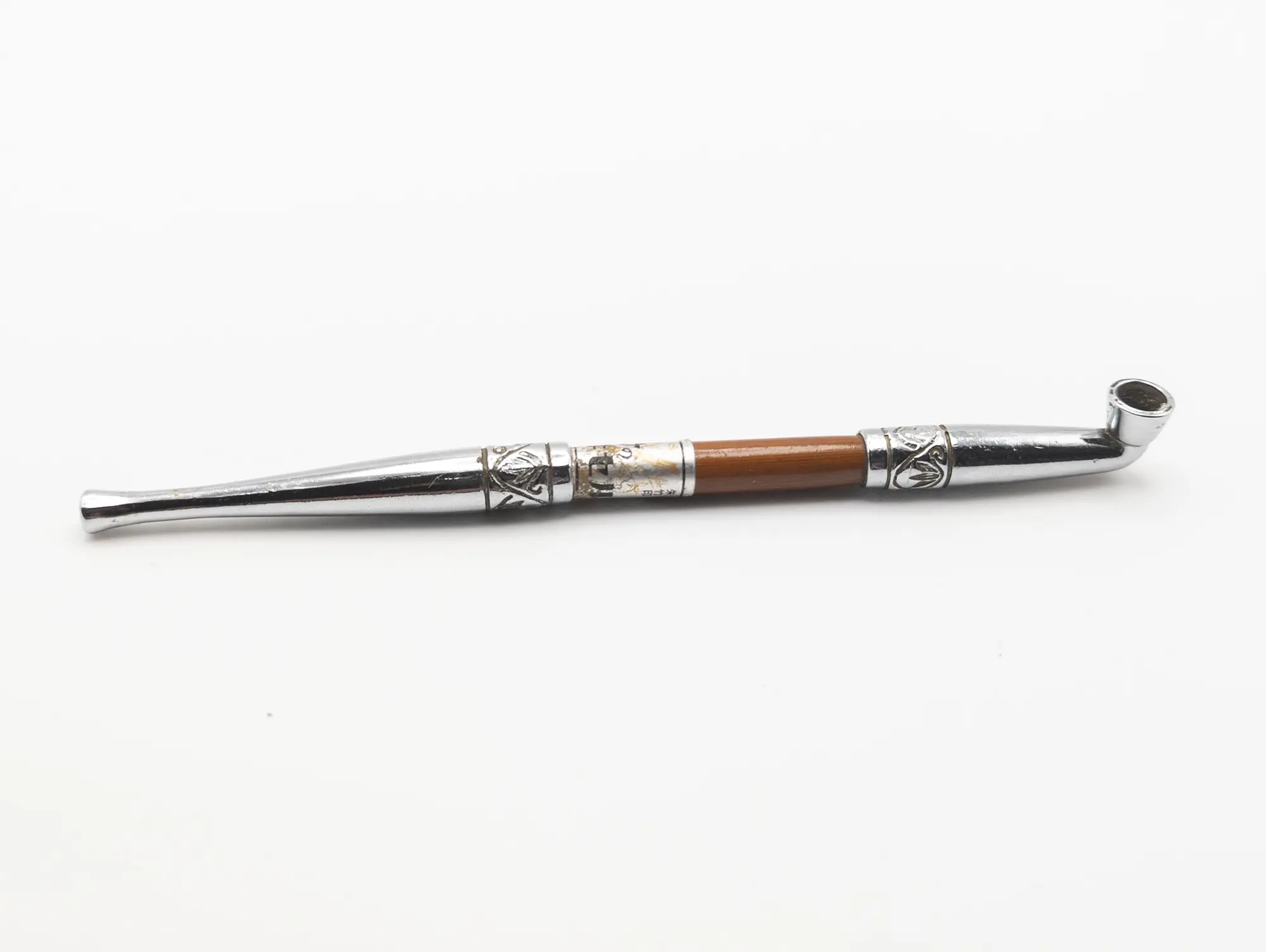
Decorative metal objects like okimono, censers and vases bloom in the late Edo and Meiji periods. These items often sport extreme realism, mixed metals, high polish and dramatic compositions.