





Our Japanese Paintings
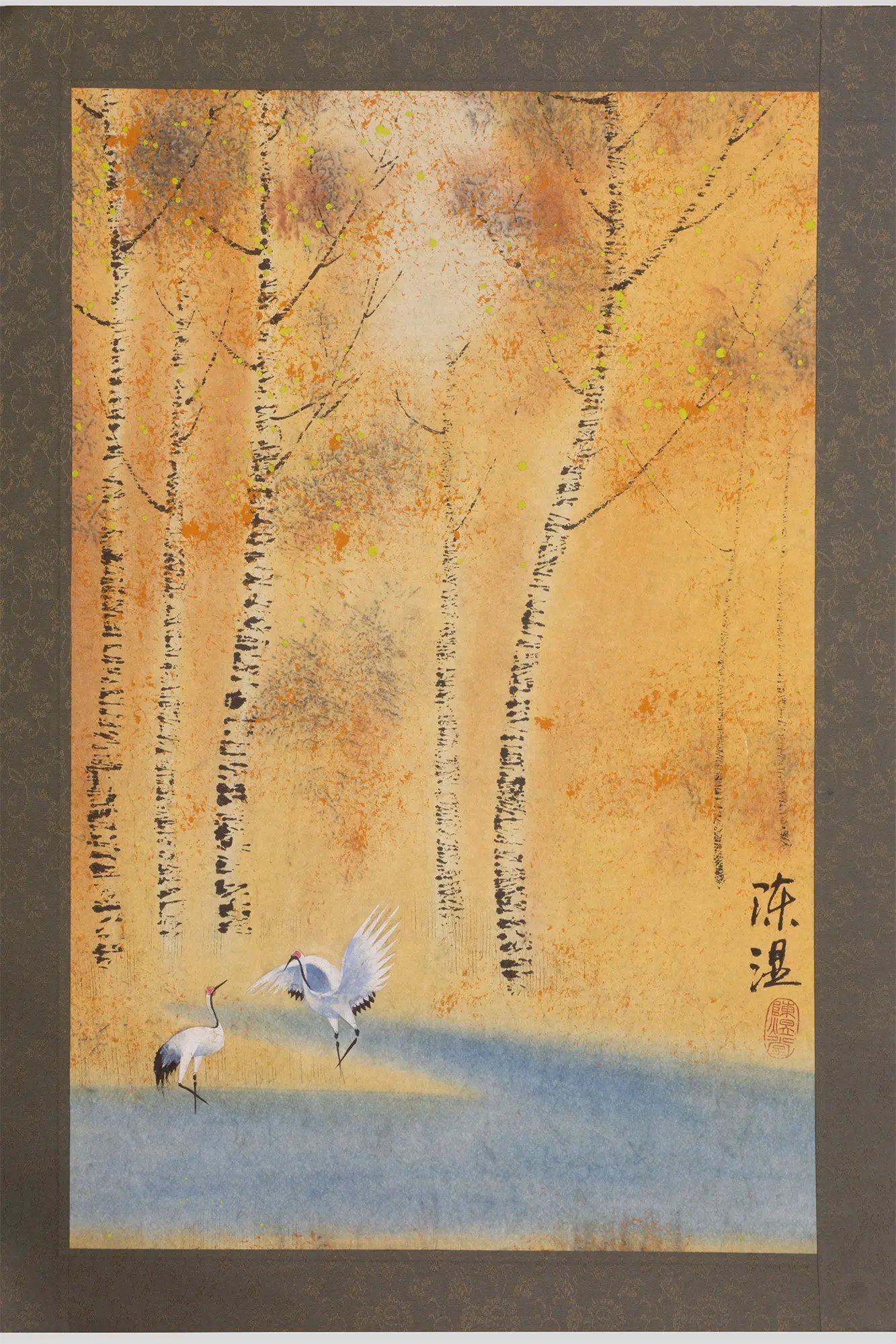
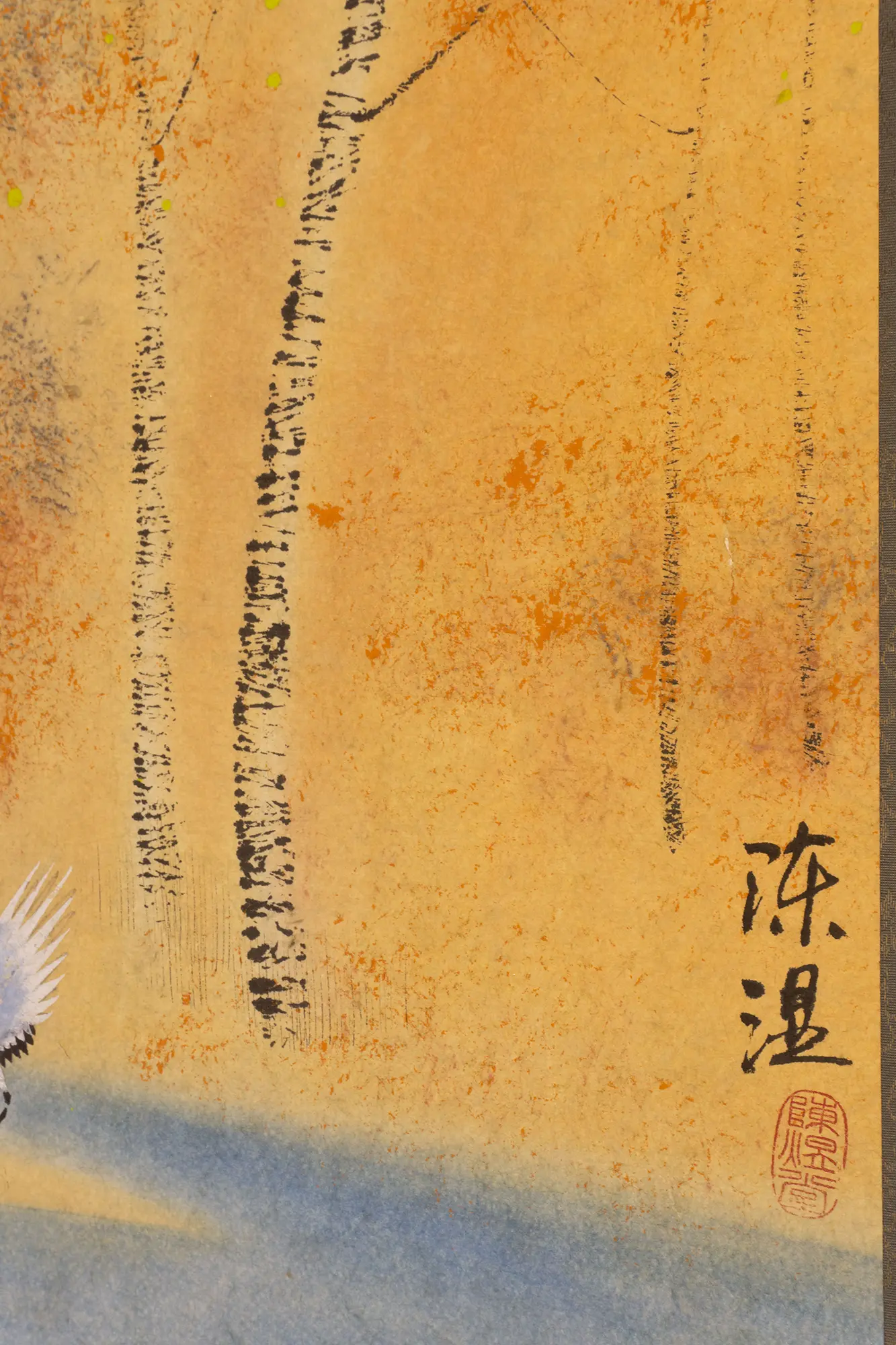
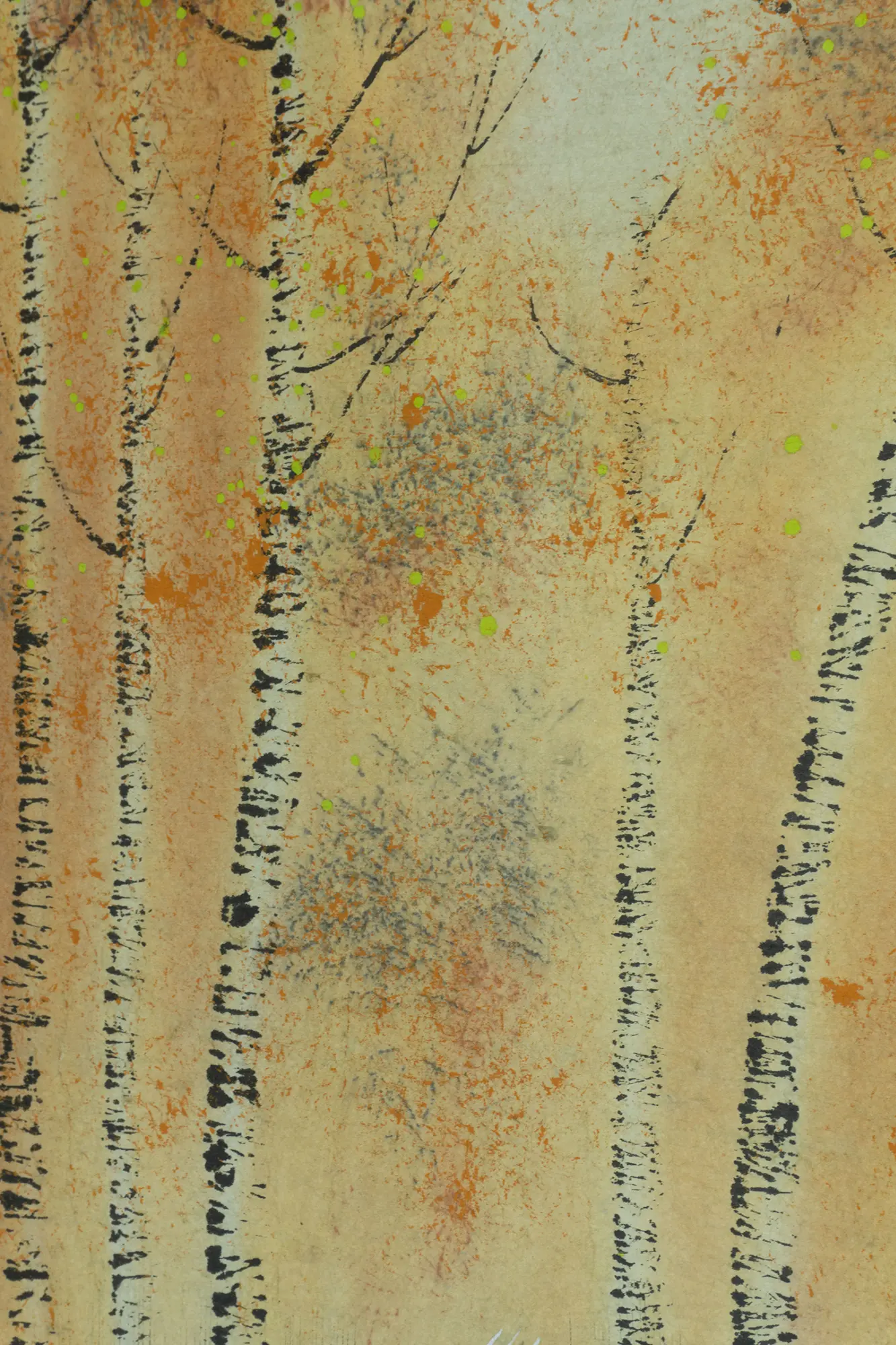
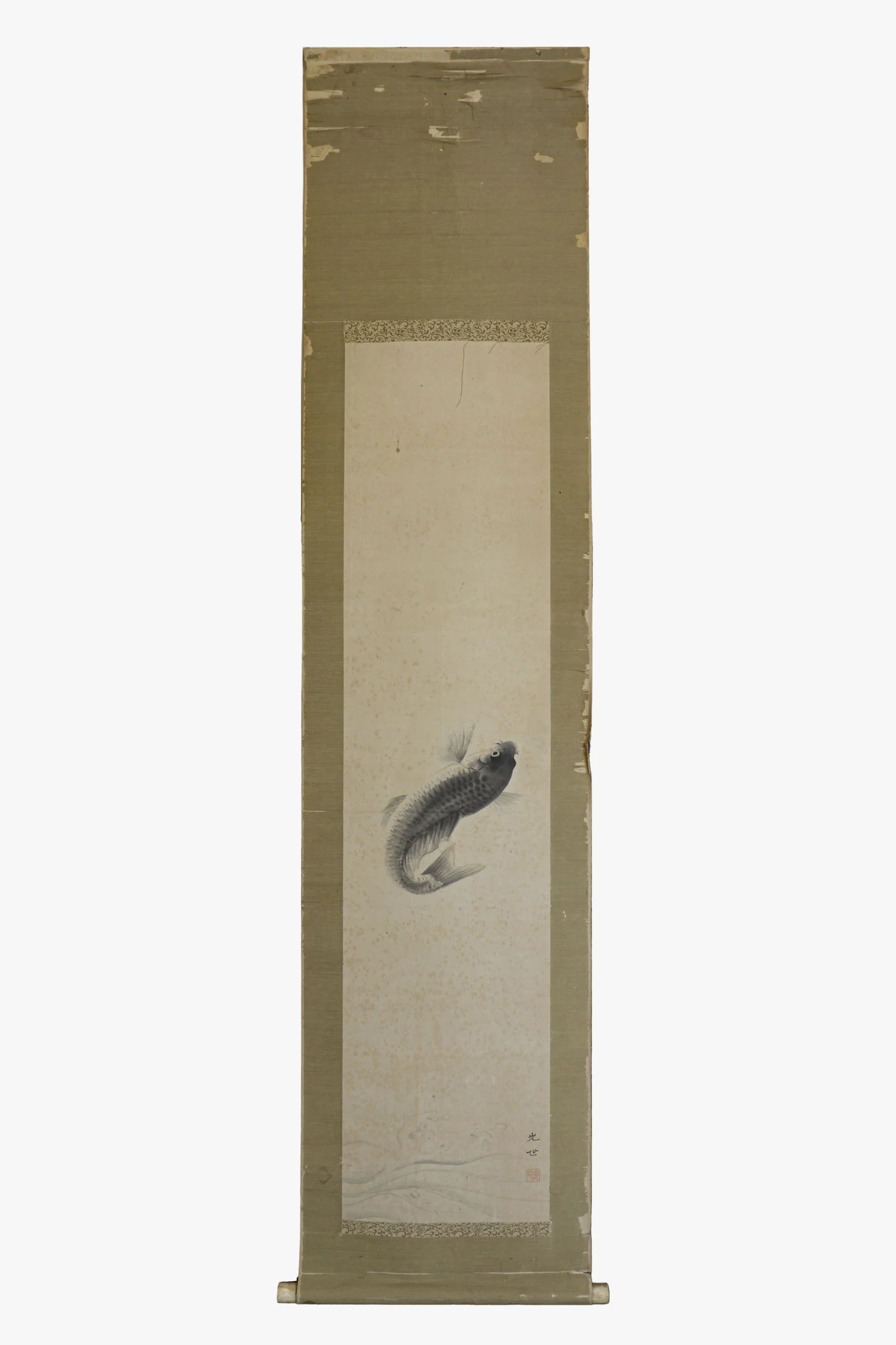
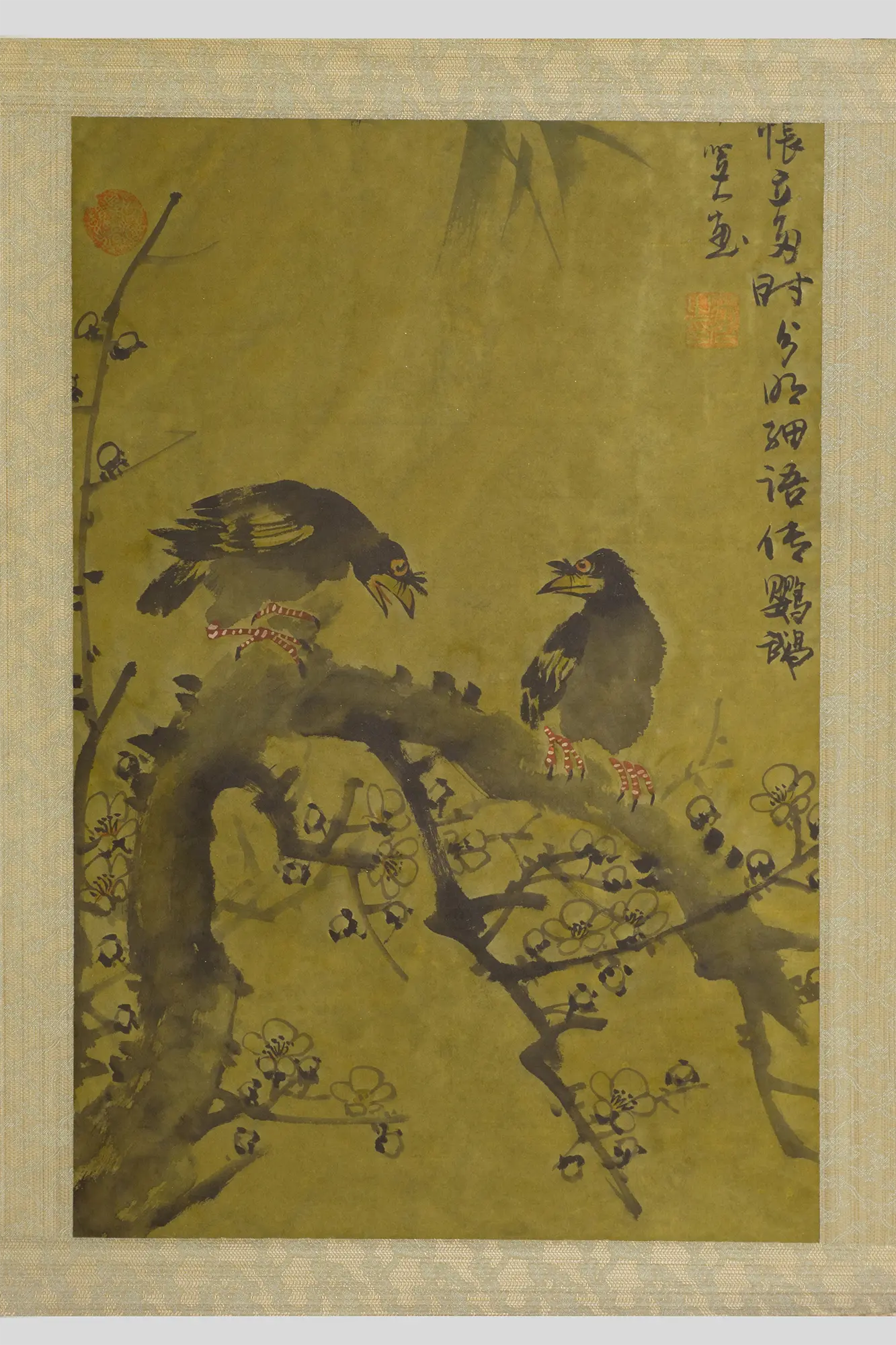
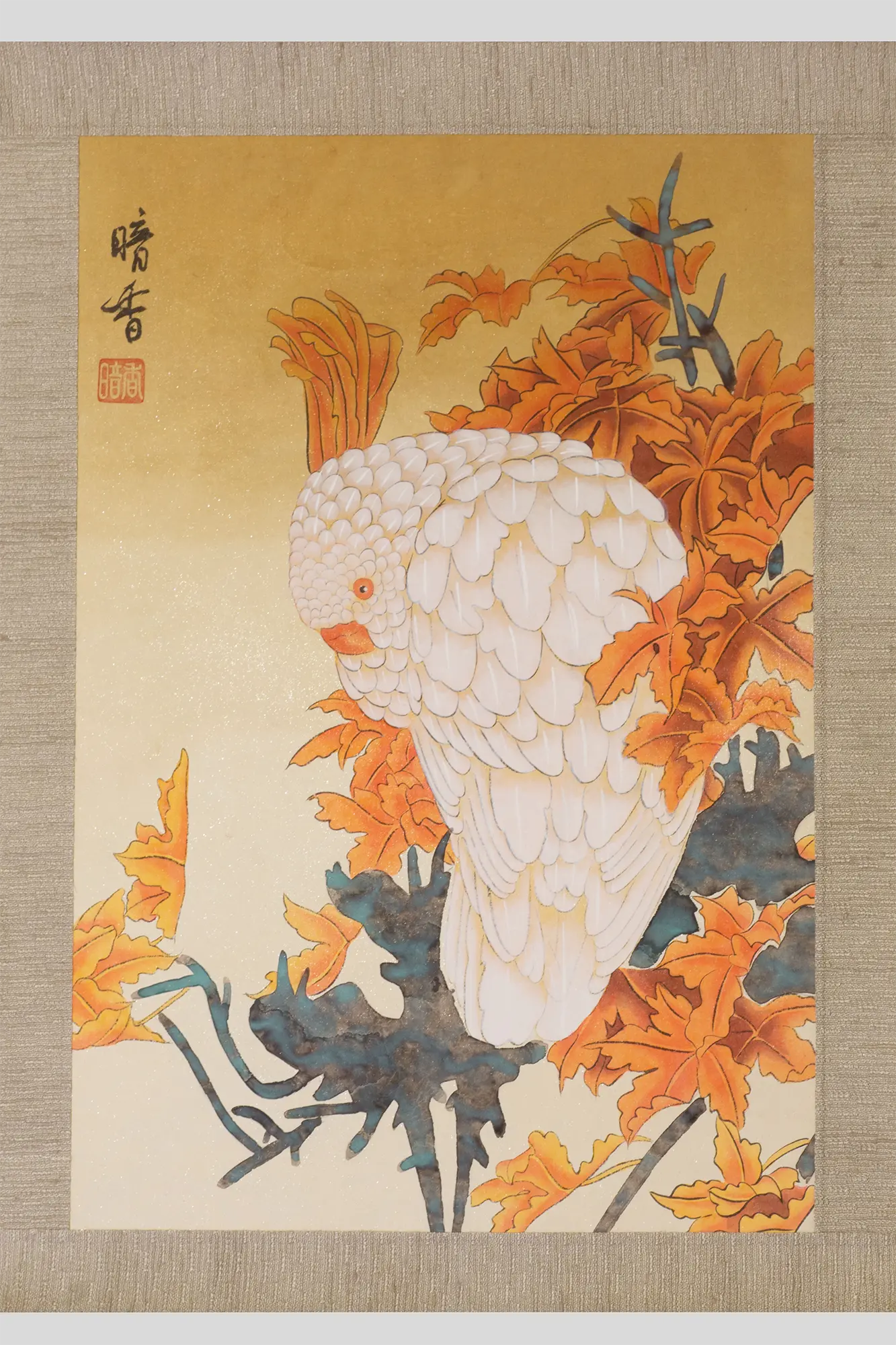
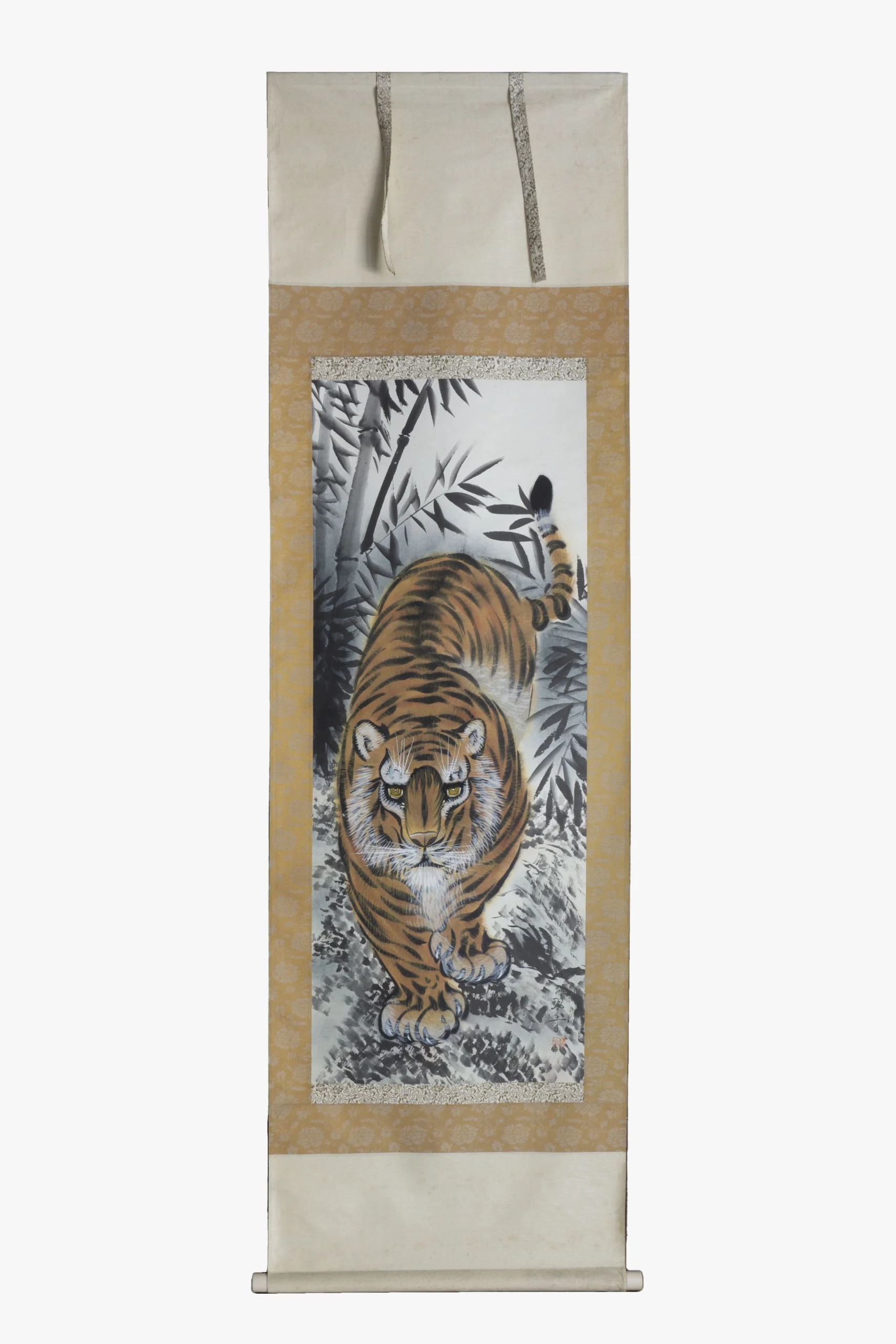
The japanese painting for sale in our collection are carefully selected to bring you one of the quintessential forms of Japanese art. Masters such as Hokusai and Hiroshige have portraid the people and beauty of Japan. Both Kakejiku and Ukiyo-e represent the most traditional form of painting.
- The Kakejiku appear in their mature form around the Heian period (9th–12th c.), heavily influenced by Chinese hanging scrolls brought by monks and diplomats. At first they’re mostly religious: Buddhist images and calligraphy used in temples. By the Muromachi period (14th–16th c.) they move into elite secular spaces, especially the tokonoma, the elevated alcove of the traditional Japanese room.
During the Momoyama and Edo periods, kakejiku explode in variety and social reach. Tea ceremony culture is crucial here: the scroll sets the tone of the room and is changed according to season, occasion, or guest.
-
The Ukiyo-e takes shape in Edo in the 17th century, tied to the rise of the merchant class. Samurai culture is still officially on top, but money has shifted downward, and ukiyo-e is what a cash-rich, status-poor class buys.
Ukiyo-e is a collaborative product: designer (artist), block carver, printer, and publisher. The publisher calls the shots. If something sells, it gets reprinted until the blocks wear out.
Subjects are immediate and worldly. Courtesans, kabuki actors, famous restaurants, seasonal festivals, erotica (shunga), travel views. This is mass media before photography, with idealized faces and codified poses.