
Bizen Yaki: How to Buy Japanese Pottery Shaped by Fire Alone
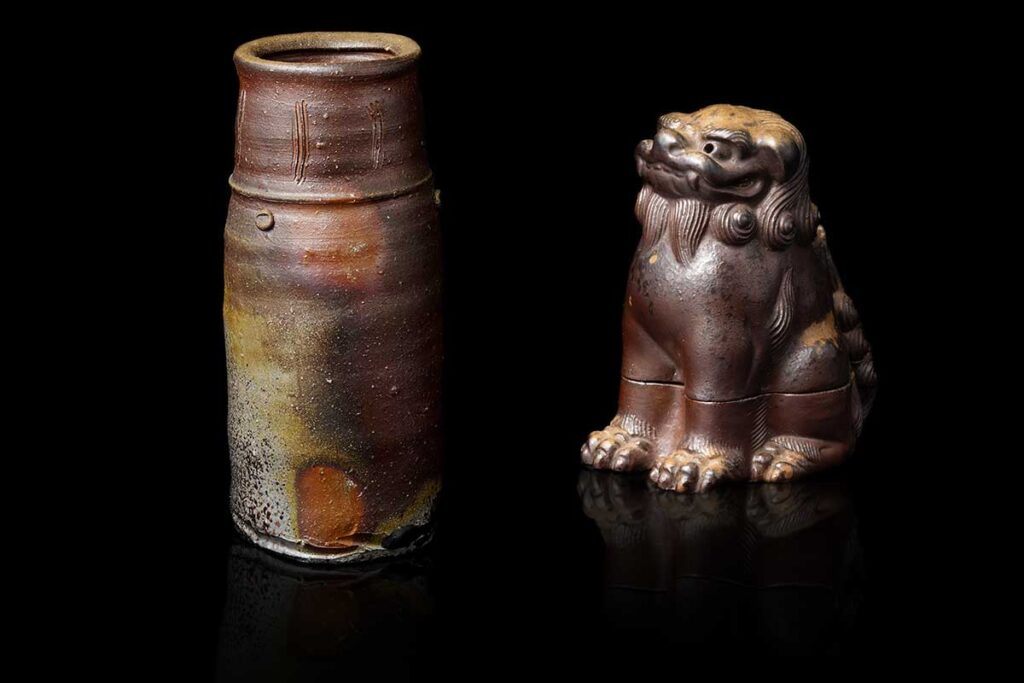
Bizen Yaki is not subtle. It doesn’t rely on glaze, decoration, or refinement to convince you. If you’re looking to buy Bizen pottery you’re probably drawn to something raw, physical, and uncompromising.
Bizen ware is shaped as much by flame and ash as by the potter’s hands. Every piece is the result of prolonged wood firing, chance, and restraint. Understanding this is essential before buying.
This guide is for buyers who want authentic Bizen ceramics — not decorative imitations.
What Is Bizen Yaki?
Bizen Yaki is one of Japan’s oldest ceramic traditions, originating in Okayama Prefecture. It is entirely unglazed and fired for long periods in wood-burning kilns.
The surfaces you see — scorch marks, ash deposits, natural color variation — are not applied. They happen naturally during firing. No two pieces are ever the same.
If you’re browsing Bizen pottery, expect irregularity, depth, and evidence of fire. Uniformity is not a goal in Bizen.
Why Bizen Yaki Looks the Way It Does
Bizen clay is dense and iron-rich. When fired for days or weeks in a wood kiln, it vitrifies without glaze. Ash from burning wood melts onto the surface, creating natural markings.
Some areas darken. Others blush red or brown. Flame patterns emerge where heat was strongest. The potter can influence placement, but never fully control the outcome.
This is why Bizen ware feels honest. Nothing is hidden.
The Relationship Between Bizen Yaki and Use
Despite its rugged appearance, Bizen pottery is highly functional. The dense clay body makes it strong and water-resistant once fired.
Traditionally, Bizen was used for storage jars, sake vessels, water containers, and tea wares. The surface interacts subtly with liquids, and many users claim it improves the taste of water or sake.
If you’re buying Bizen ware, don’t think of it as sculpture. Think of it as pottery that happens to be sculptural.
How to Buy Bizen Yaki Without Getting It Wrong
Bizen photographs well — sometimes too well. Dramatic fire marks can distract from poor form.
What actually matters:
- Form: Balanced, stable, intentional.
- Surface: Natural variation, not forced patterns.
- Weight: Bizen pieces tend to feel solid and grounded.
- Description: Firing method and context should be clearly stated.
When browsing authentic Bizen ware, look for individuality and restraint. Overly theatrical surfaces often mean the piece was pushed too hard in firing.
Bizen Yaki and the Tea World
Bizen occupies a unique position in tea culture. It lacks glaze and softness, yet it’s deeply respected.
Bizen tea bowls, water jars, and flower vases are valued for their seriousness and presence. They anchor the tearoom rather than decorate it.
If you practice tea and want something that feels grounded and elemental, Bizen is an excellent counterpoint to softer wares like Hagi or Raku.
Antique vs Contemporary Bizen Ware
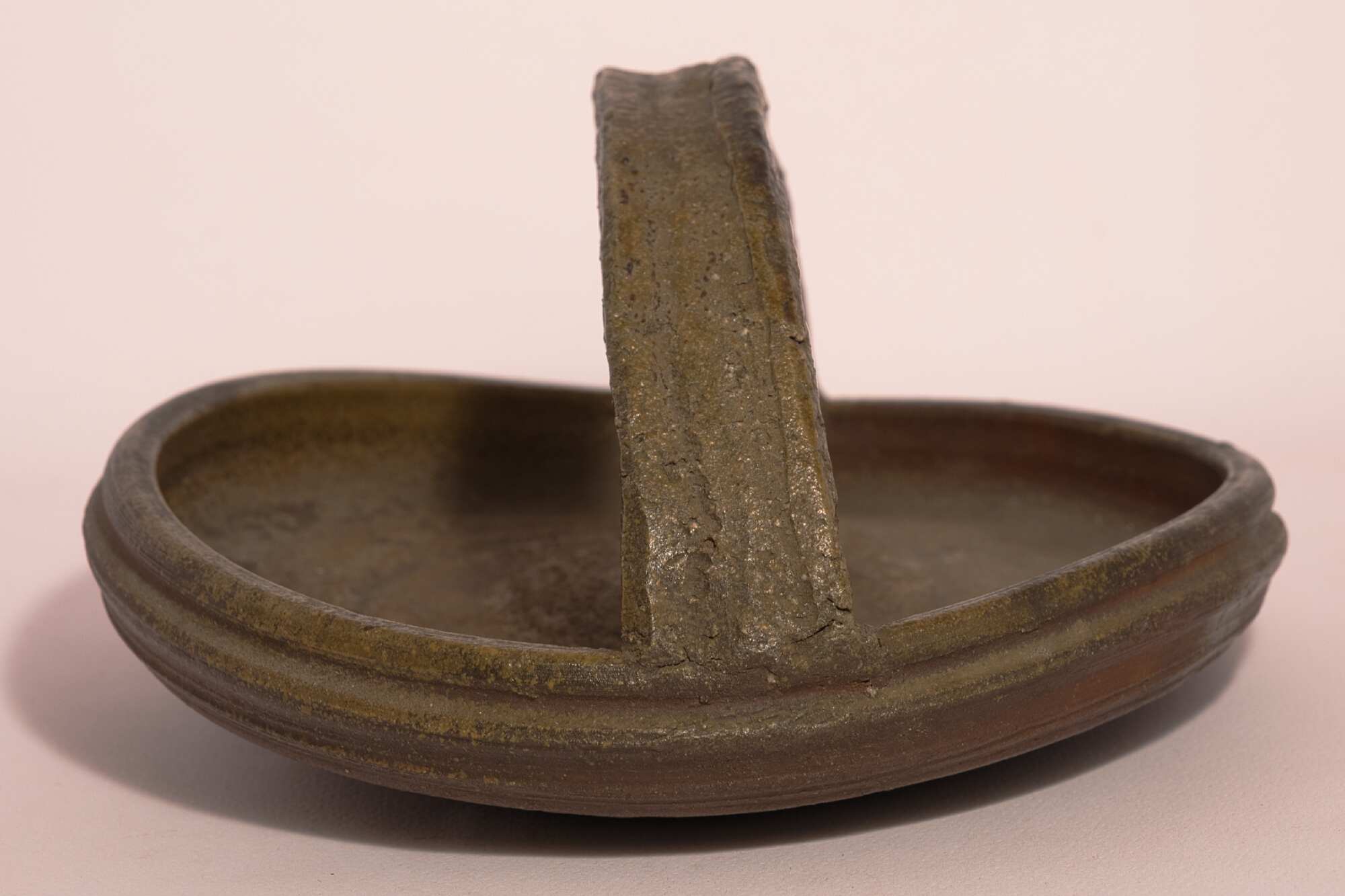
Antique Bizen pieces often show softened edges, darker surfaces, and a quiet maturity that comes from age and use. These appeal to collectors with experience.
Contemporary Bizen potters continue the tradition with remarkable discipline. Modern pieces can be just as strong — sometimes stronger — because they benefit from generations of accumulated kiln knowledge.
For most people looking to buy Bizen pottery, contemporary work from a serious kiln is a sound choice.
Using Bizen Pottery in Daily Life
Bizen ware is robust, but it’s not indestructible.
Avoid sudden temperature changes. Let pieces warm naturally before use. Clean with water only — no detergents. Let them dry thoroughly.
Over time, the surface mellows. The relationship deepens. Bizen rewards patience.
This is pottery meant to live with you, not sit untouched.
Why Authentic Bizen Yaki Holds Value
Bizen cannot be rushed, glazed, or industrialized. Wood firing is labor-intensive, unpredictable, and inefficient by modern standards.
That’s exactly why authentic Bizen holds value. Each piece represents time, fuel, risk, and skill.
Demand remains strong for authentic Bizen pottery for sale because it offers something most modern ceramics don’t: permanence without polish.
Choosing the Right Bizen Piece
Don’t buy Bizen ware just for decoration.
Look at the silhouette first. Then the surface. Imagine how it will be used. If the piece feels calm despite its intensity, it’s probably a good one.
If it feels loud, chaotic, or overly dramatic, keep looking.
Bizen doesn’t need to shout.